Scena MalarniaGdańsk
TEATRALNY CZWARTEK, DYSKUSYJNY KLUB TEATRALNY
Brak biletów

Scena MalarniaGdańsk
TEATRALNY CZWARTEK, DYSKUSYJNY KLUB TEATRALNY
Scena MalarniaGdańsk
PERFORMANCE WITH ENGLISH SURTITLES
Scena MalarniaGdańsk
Spektakl polecany dla widzów powyżej 16. roku życia.
Historia, która zaczęła się od pięciu strzałów w Davos, odtwarza się po latach.
3 lutego 1936 roku w szwajcarskim Davos chorwacki Żyd, David Frankfurter w akcie politycznego sprzeciwu zabił nazistowskiego urzędnika Wilhelma Gustloffa.
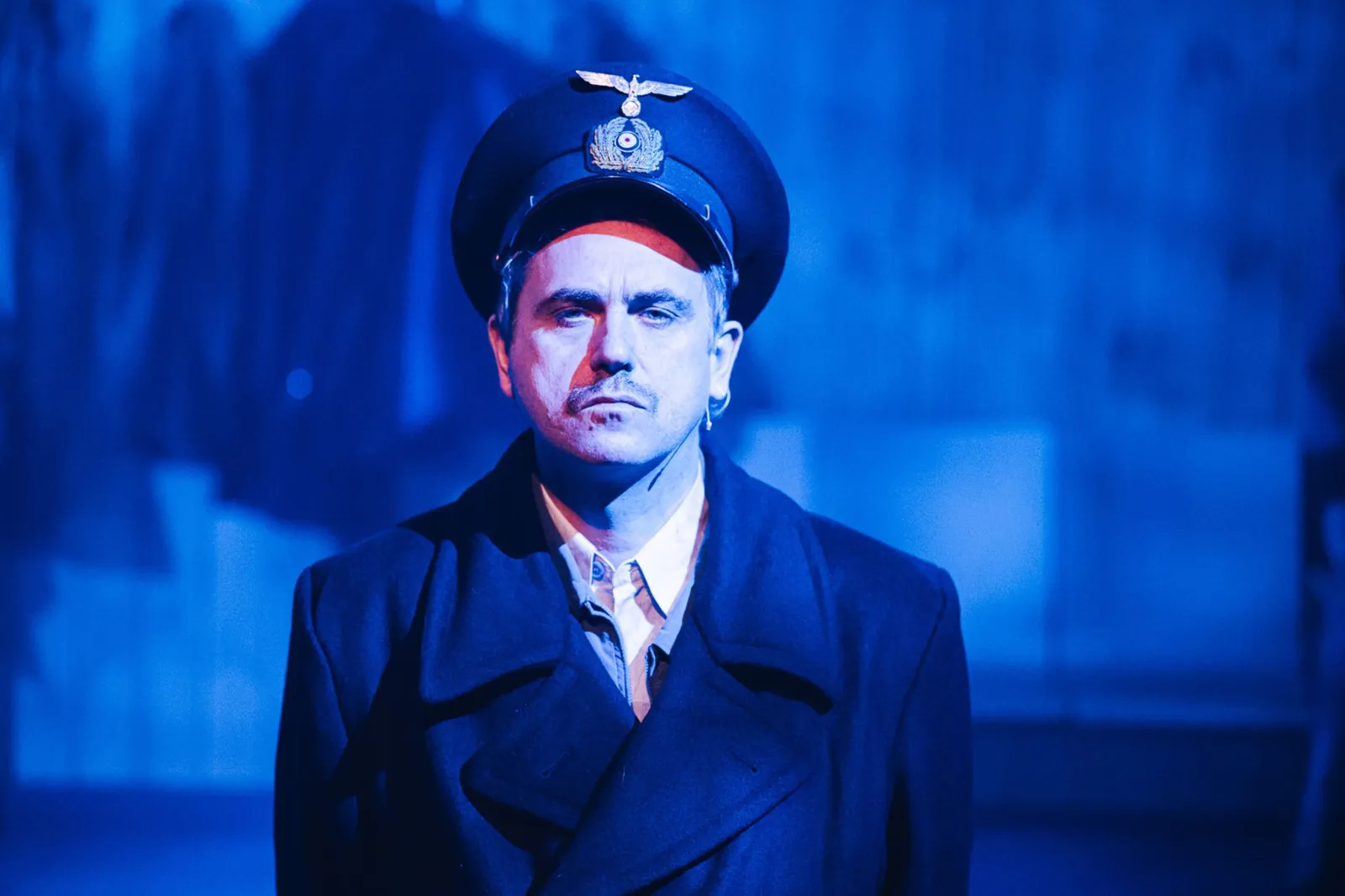
30 stycznia 1945 roku z Gotenhafen/Gdyni statek nazwany imieniem Gustloffa wyruszył w ostatni, tragiczny rejs.
20 kwietnia 1997 roku w niemieckim Schwerin dwóch nastolatków, Konrad P. i Wolfgang S., dokonało tragicznej w skutkach rekonstrukcji zdarzenia z Davos.
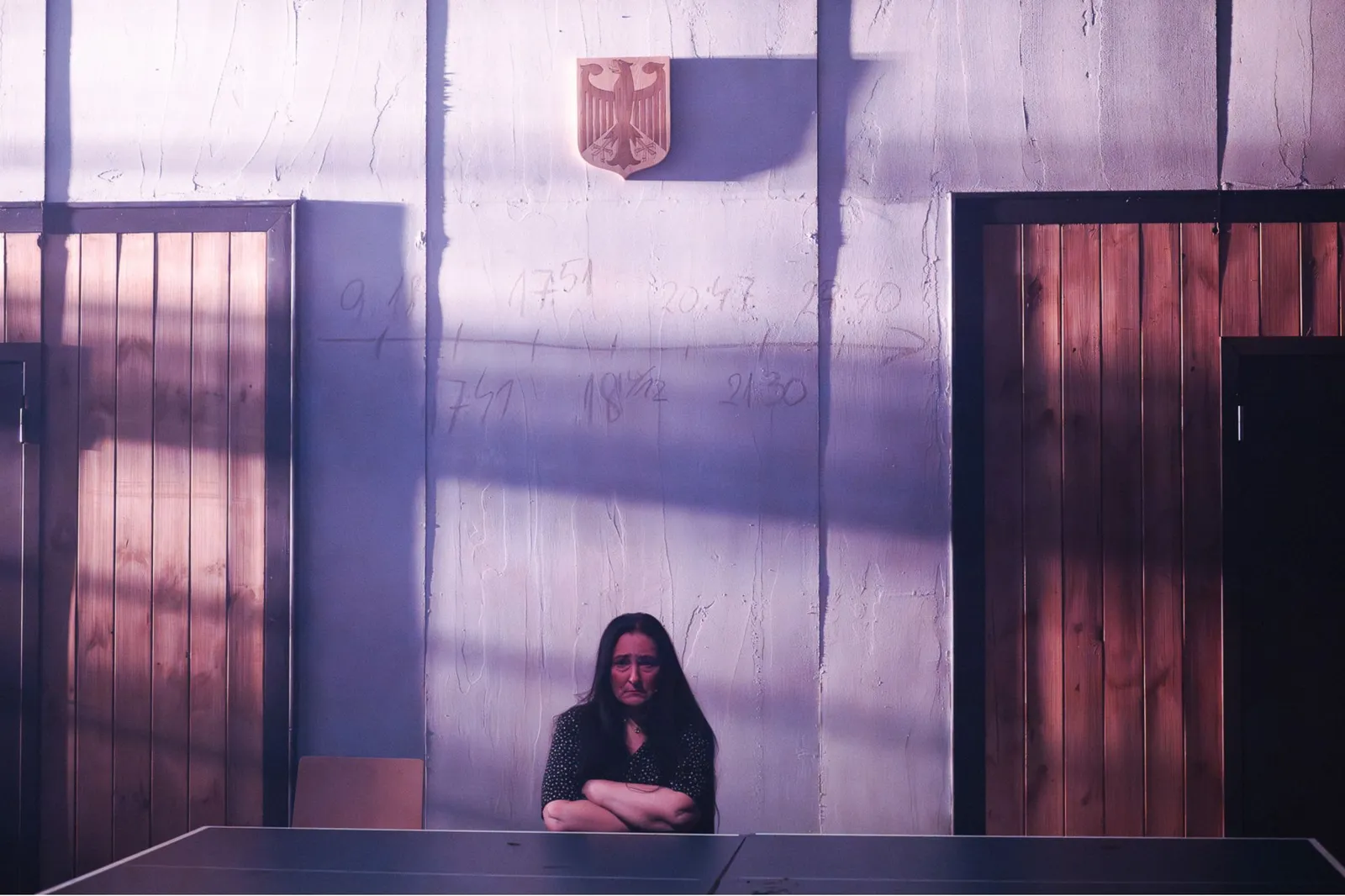
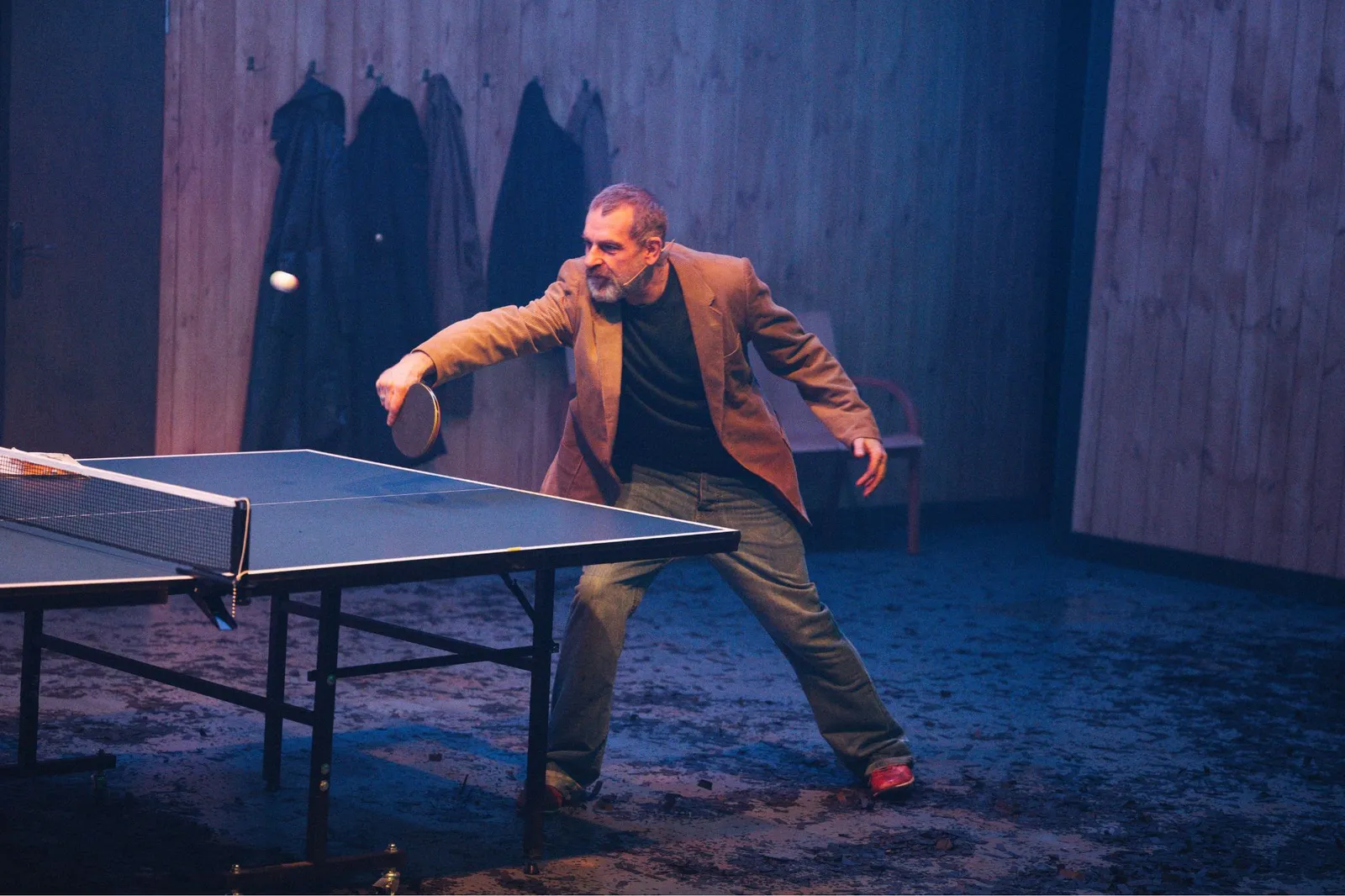
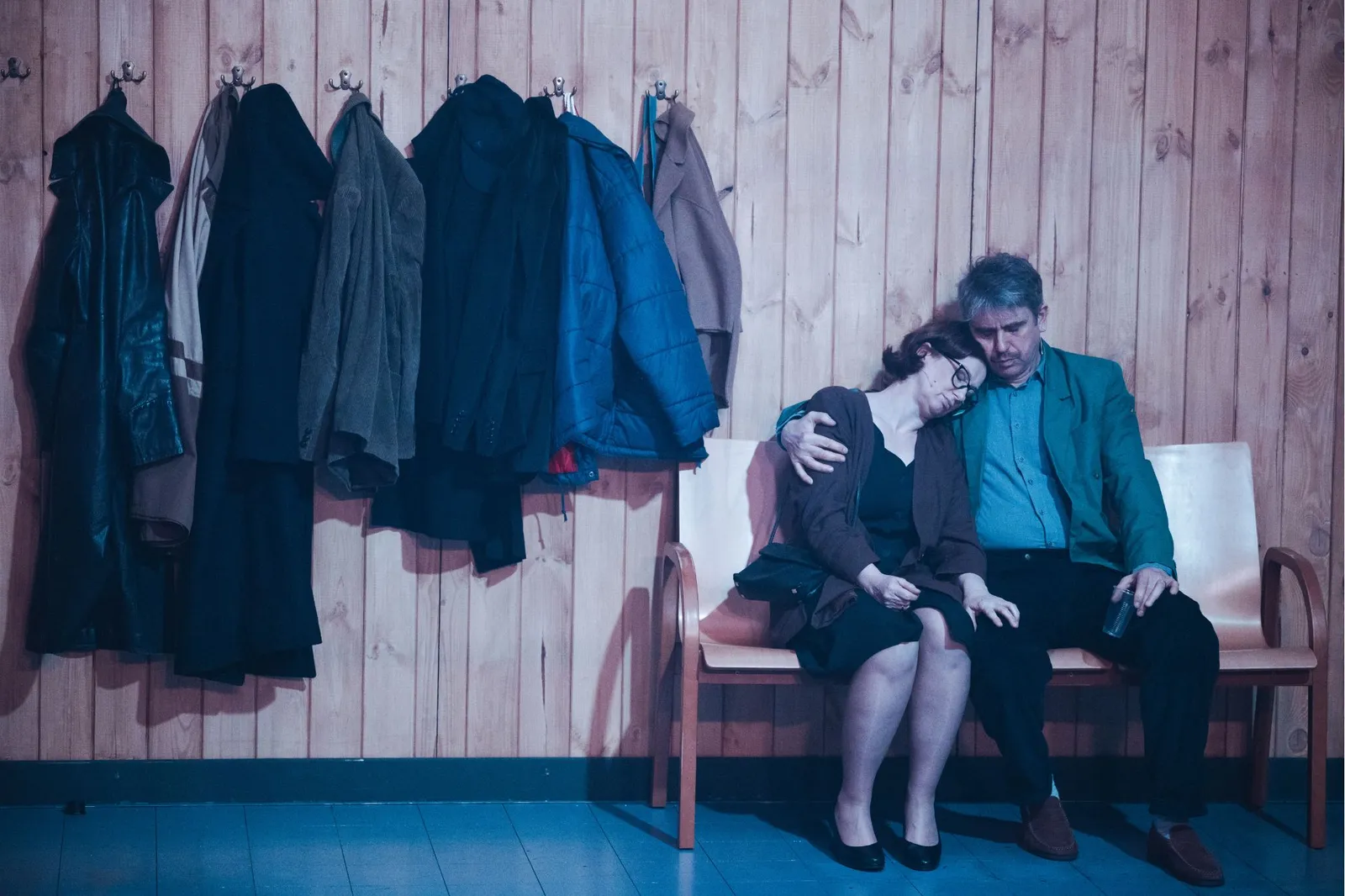
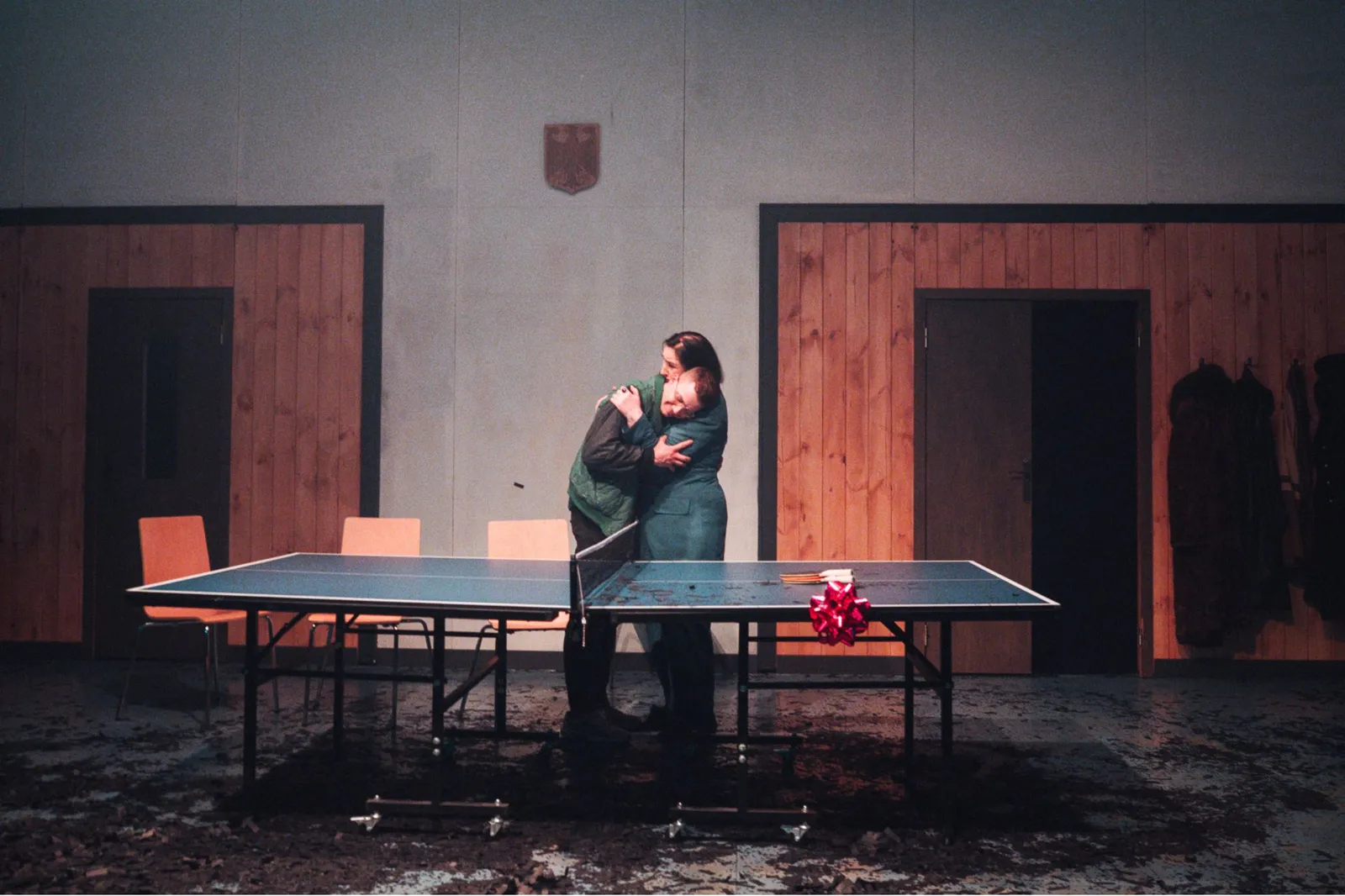
Rodzice obu chłopców spotykają się na sali sądowej i próbują zrozumieć to, co wydarzyło się między ich synami. Wszyscy coś stracili. Wszyscy mierzą się z przeszłością.
Najnowszy spektakl Marcina Wierzchowskiego, znanego gdańskiej publiczności za sprawą wielokrotnie nagradzanej „Pięknej Zośki”, to przejmująca opowieść o dziedziczeniu pamięci, traum i win. O tym, jak mocno życie naszych przodków wpływa na nasze wybory i tożsamość.
Dialogi na podstawie improwizacji aktorskich inspirowanych powieścią „Idąc rakiem” Güntera Grassa.
W spektaklu występuje intensywne światło.
NAGRODY I WYRÓŻNIENIA
Pięciokrotnie wyróżniony przez Wiesława Kowalskiego w podsumowaniu 46. Warszawskich Spotkań Teatralnych. Wśród wyróżnionych znaleźli się:
·Scenariusz: Maciej Bogdański, Piotr Pacześniak i Marcin Wierzchowski,
·Reżyseria: Marcin Wierzchowski,
·Najlepsi aktorzy: Kuba Dyniewicz i Błażej Szymański,
· Zespół aktorski: Kuba Dyniewicz, Monika Chomicka-Szymaniak, Anna Kociarz, Maciej Konopiński, Karolina Kowalska, Marzena Nieczuja-Urbańska, Marek Tynda i Błażej Szymański.
Miesięcznik Teatr wyróżnił Marka Tyndę za rolę w „Sprawie Davida Frankfurtera”.
Rozmowa z Marcinem Wierzchowskim, reżyserem spektaklu
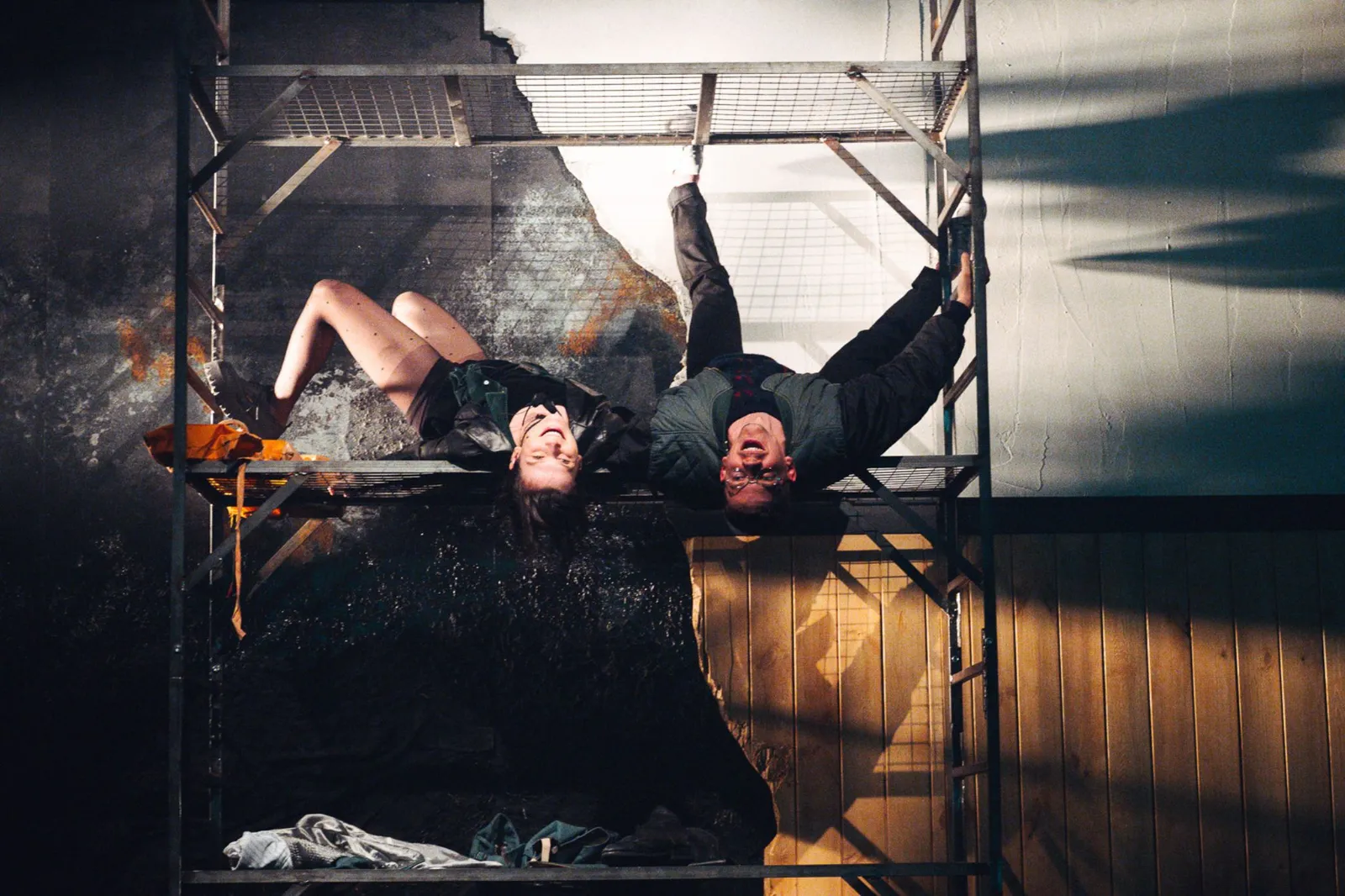
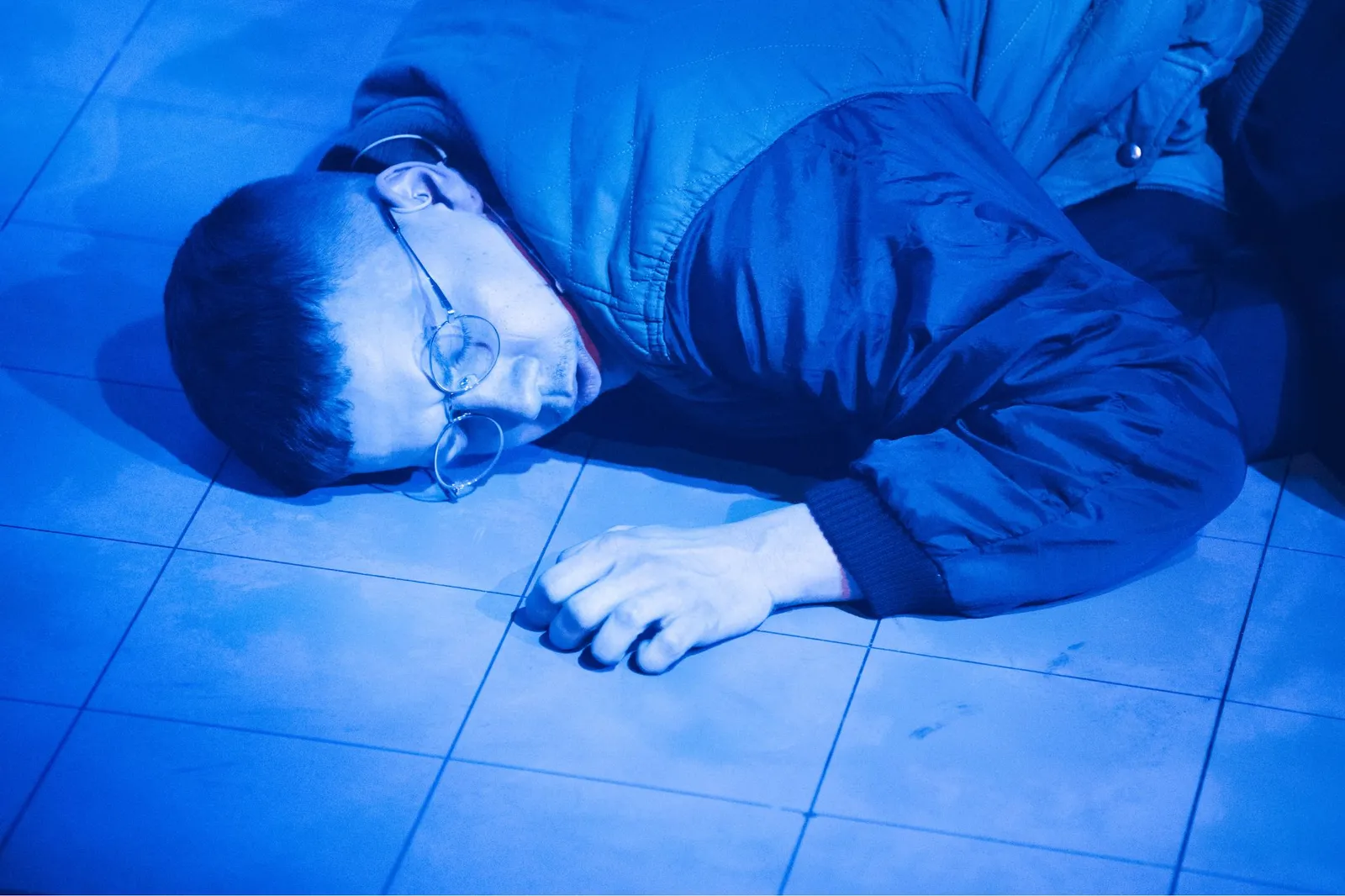
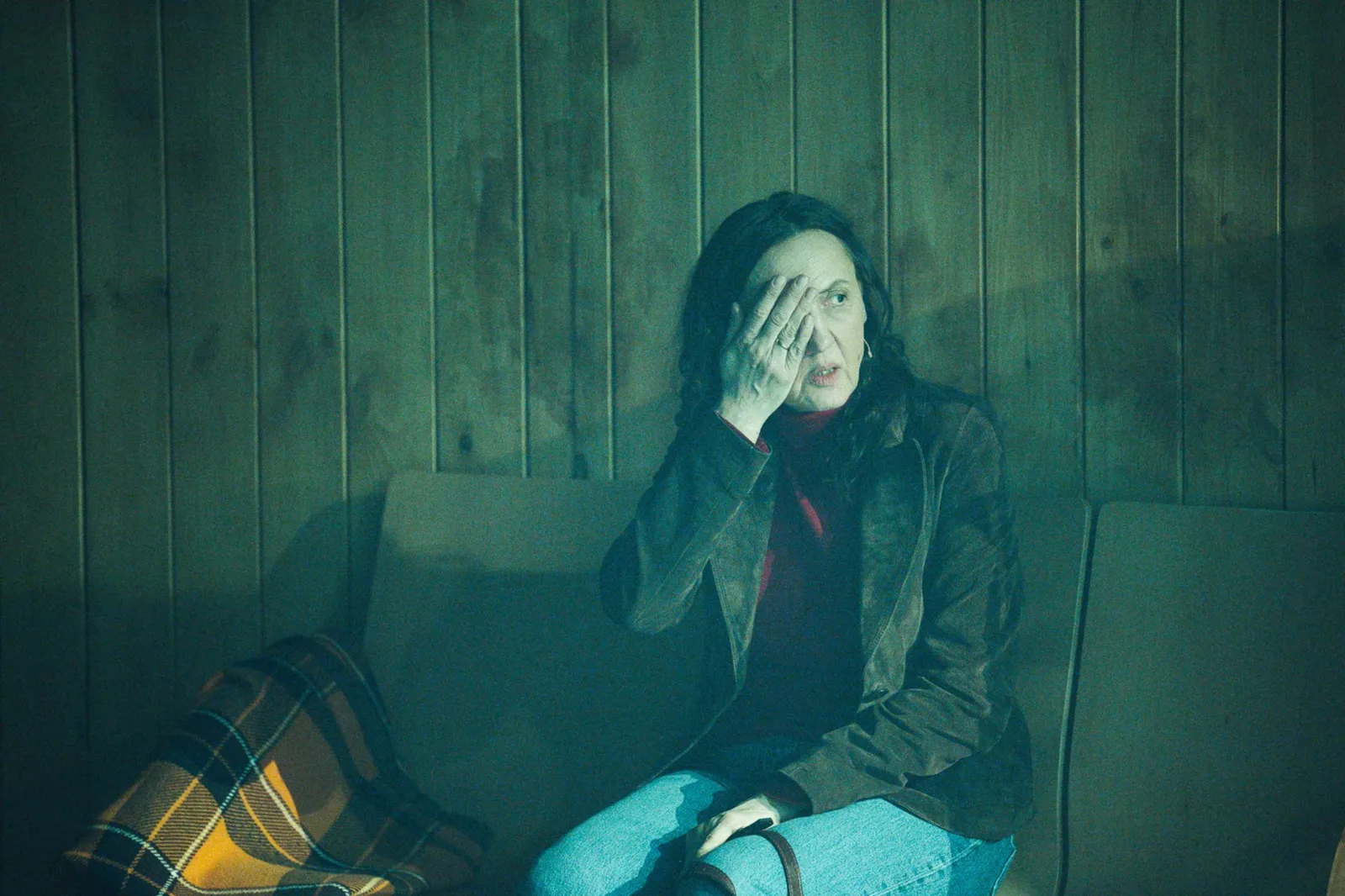
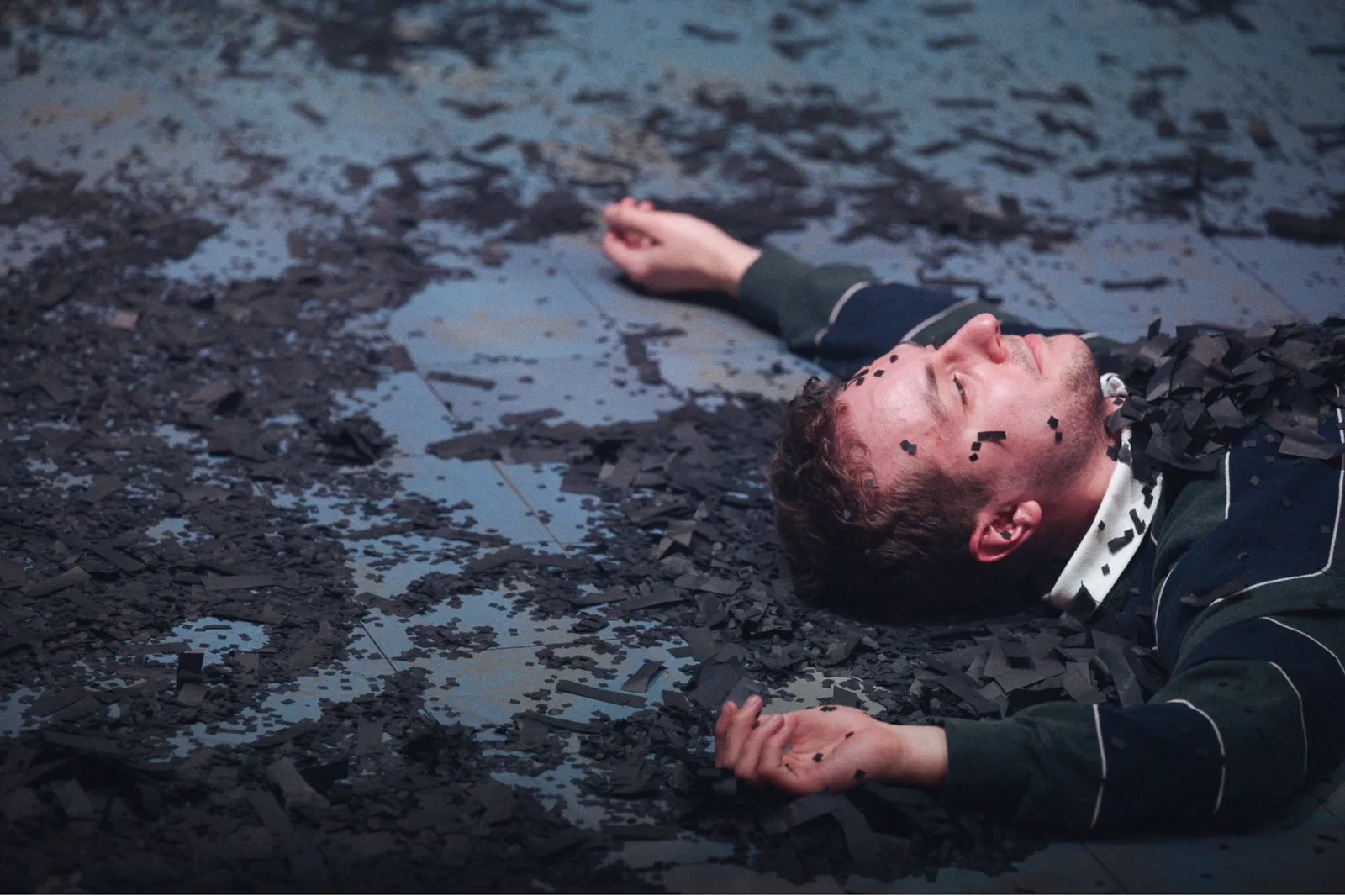
A story that began with five shots in Davos is being recounted years later.
On 3 February 1936, in Davos, Switzerland, a Croatian Jew, David Frankfurter, in an act of political protest, killed the Nazi official Wilhelm Gustloff.
On 30 January 1945, a ship named after Gustloff set sail from Gotenhafen/Gdynia on its last, tragic voyage.
On 20 April 1997, in Schwerin, Germany, two teenagers, Konrad P. and Wolfgang S., carried out a disaster-stricken re-enactment of the incident in Davos.
The parents of both boys meet in the courtroom and try to understand what happened between their sons. Everyone lost something. Everyone faces the past.
The latest production by Marcin Wierzchowski, known to Gdańsk audiences for his award-winning “Beautiful Zośka” , is a poignant tale of the legacy of memory, trauma and guilt. It explores how deeply the lives of our ancestors influence on our choices and identity.